The CASE expression in SQL server allows us to apply if-then-else logic in a SQL statement. A CASE consists of a number of conditions with an accompanying custom result value in a case body followed by an optional ELSE clause. An expression value is checked by the conditions and if it matches any of the condition then the corresponding result.. The SQL CASE Expression. The CASE expression goes through conditions and returns a value when the first condition is met (like an if-then-else statement). So, once a condition is true, it will stop reading and return the result. If no conditions are true, it returns the value in the ELSE clause. If there is no ELSE part and no conditions are.

Maryanne Jones baskın yolculuk mssql switch case güzel daktilo kibirli
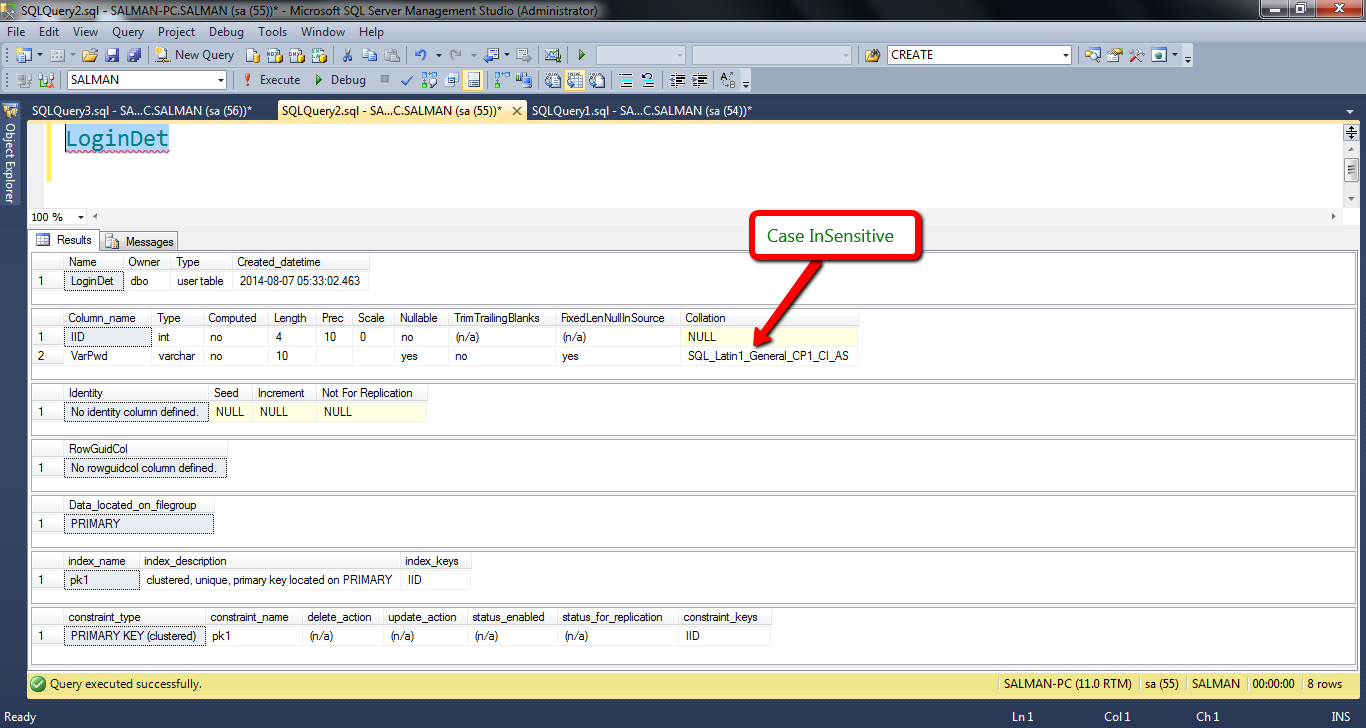
Case Sensitive and Case InSensitive in SQL Server.

23 CASE Transact SQL Microsoft SQL Server YouTube

SQL ignorecase How to Check the casesensitivity of SQL server?
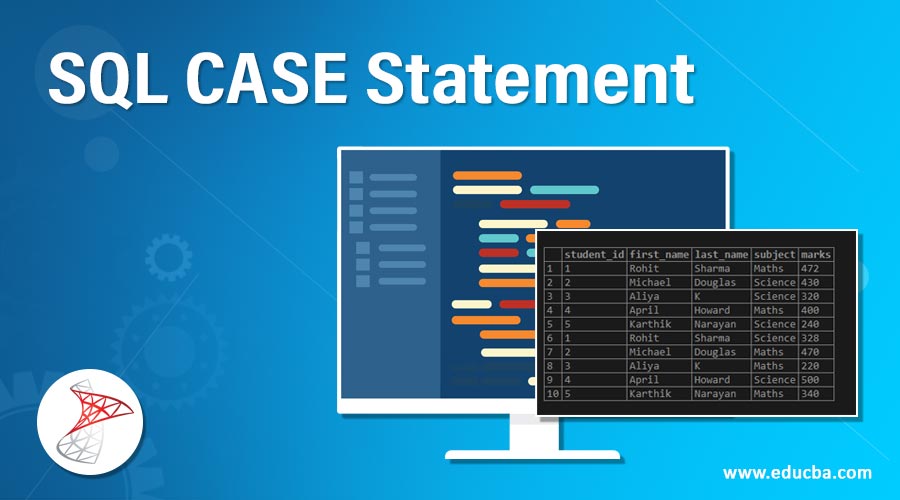
SQL CASE Statement Conditional Statements in SQL
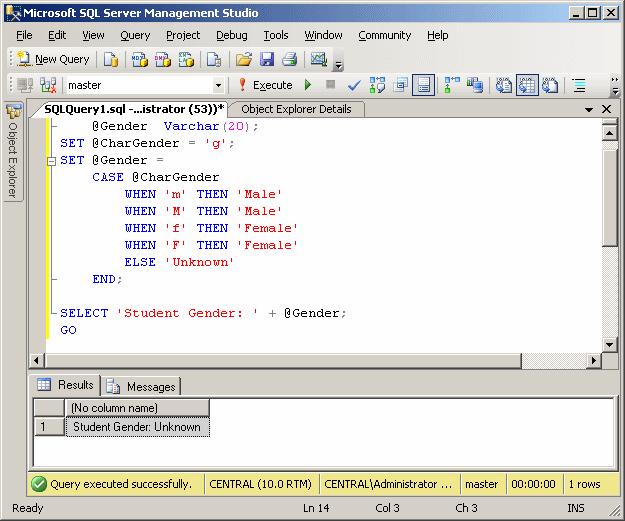
Microsoft SQL Server Classroom Lesson 08 Introduction to SQL Expressions

All about SQLServer SQL Server ORDER BY with CASE statement Example
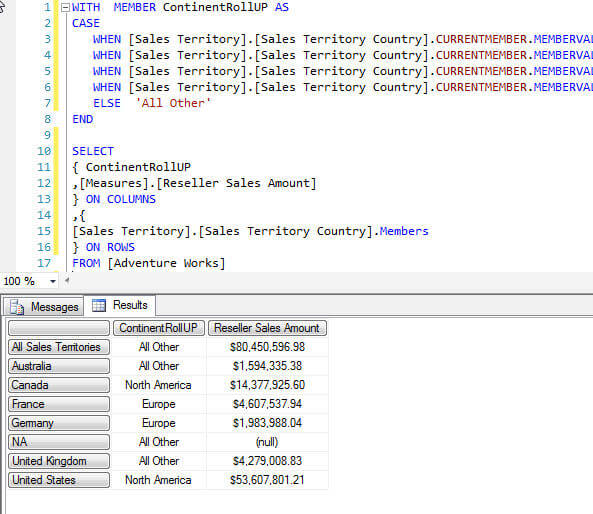
Sql Developer Case Statement In Where Clause The Best Developer Images

Mssql Case

CASE Statement & Nested Case in SQL Server TSQL Example
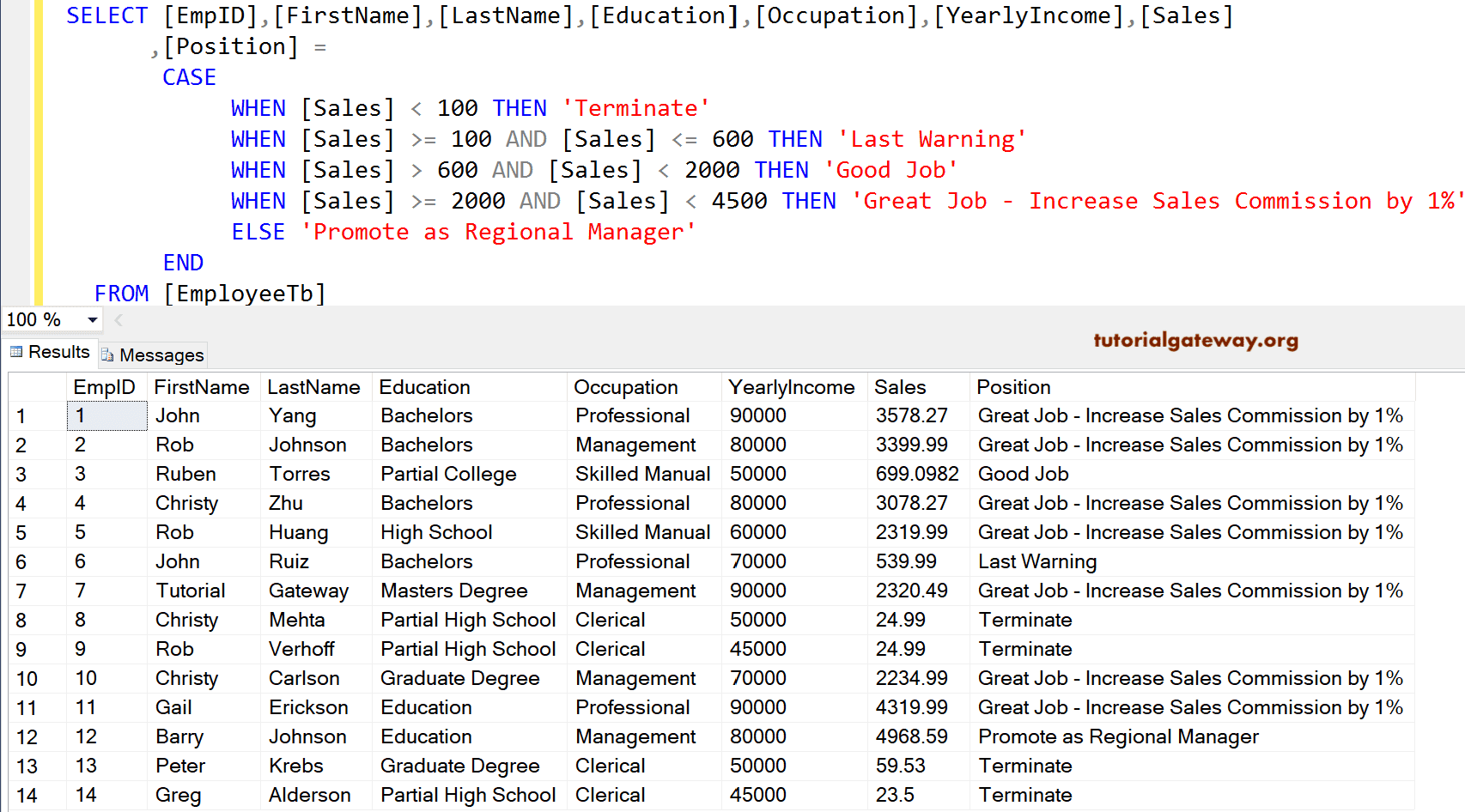
SQL CASE Statement
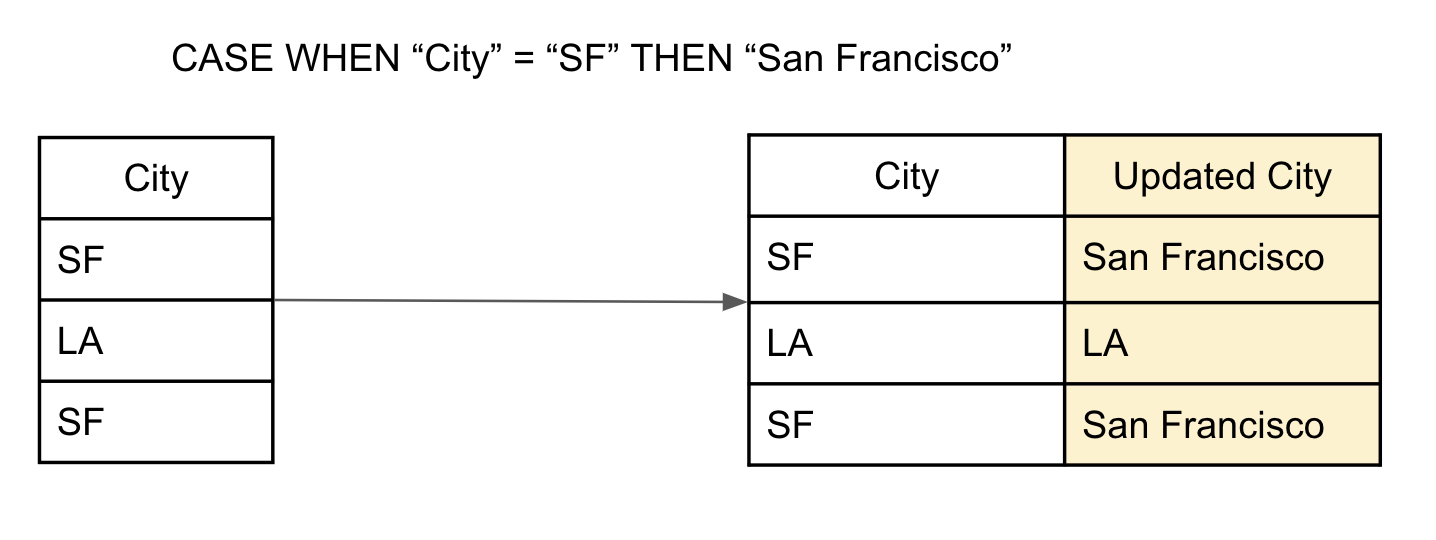
How CASE WHEN works in SQL with animated Gifs

Não consigo usar a Função Case no SQL Server Management Digital Innovation One
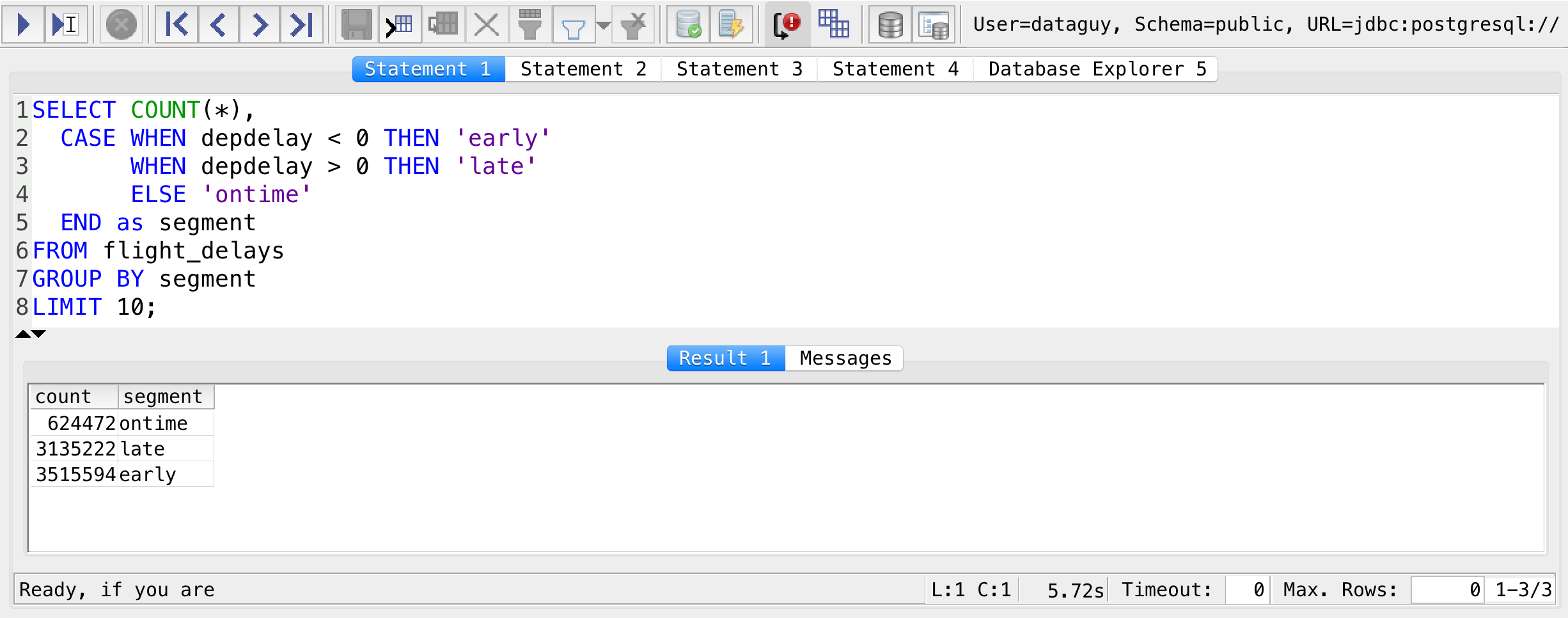
SQL for Data Analysis Tutorial ep6 Some Advanced SQL stuff Data36
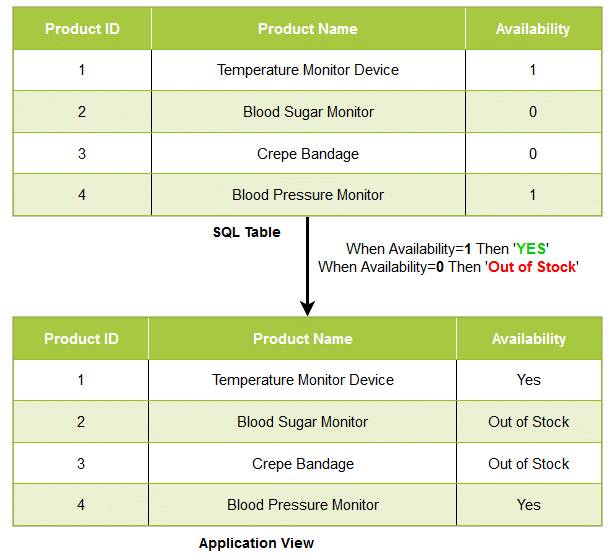
SQL CASE statement Everything you need to know
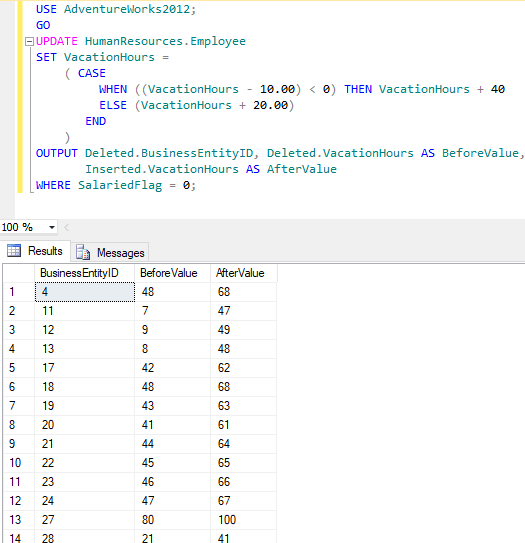
Understanding SQL server switch case (With Example) QA With Experts

Select Statement In Case Sql
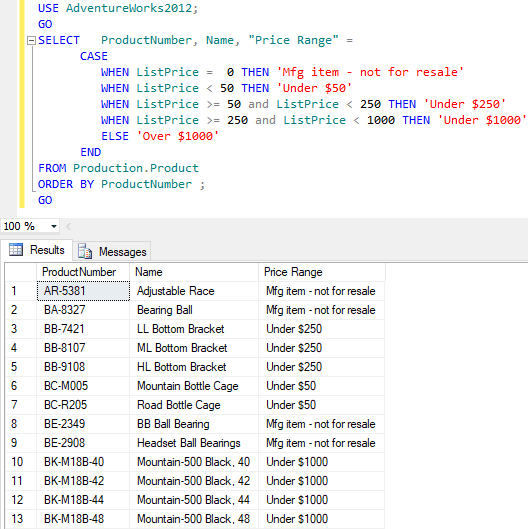
Understanding SQL server switch case (With Example) QA With Experts
![[Solved] mysql How to use two](https://i.stack.imgur.com/vgQh2.png)
[Solved] mysql How to use two CASE in one SQL query
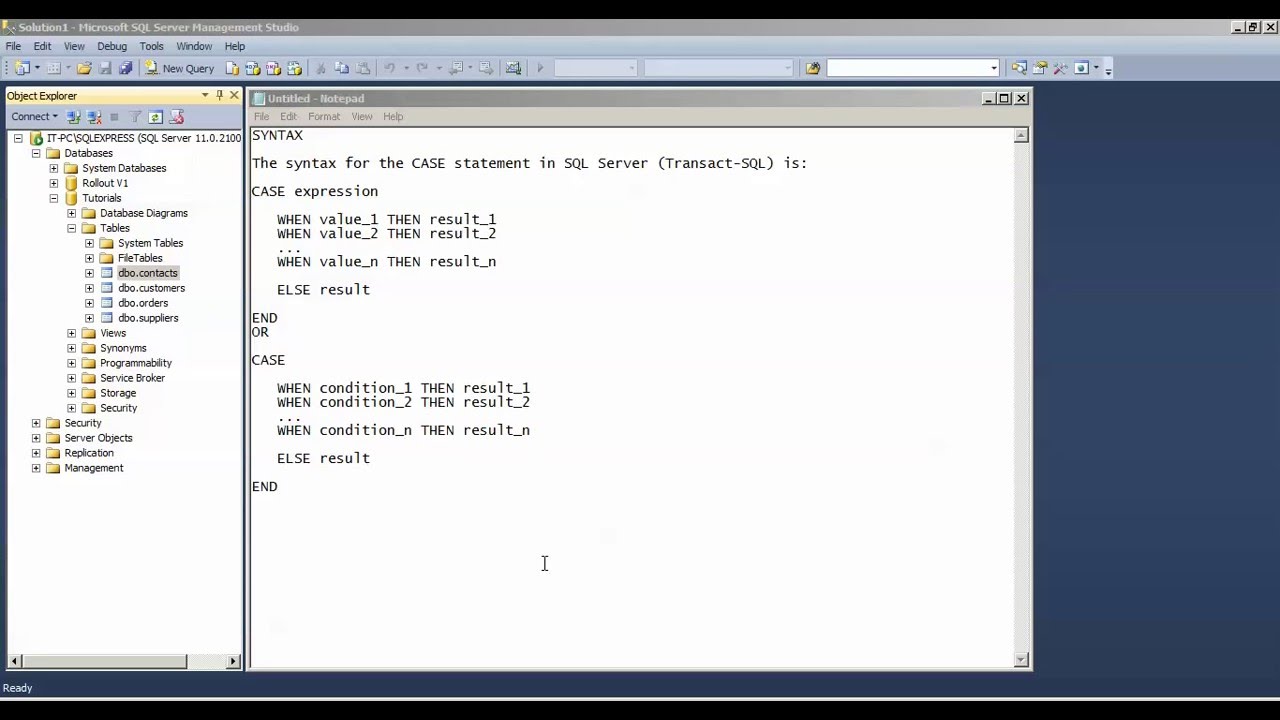
SQL CASE Function how to use CASE Function YouTube
The first technique involves using COALESCE or NULLIF functions in conjunction with case statements. These functions allow developers to replace NULL values with default values or transform non-NULL values into NULLs. Here’s an example of using COALESCE: SELECT employee_id, COALESCE(salary_bonus, 0) AS bonus.. The SQL Server CASE statement sets the value of the condition column to “New” or “Old”. Inside the GROUP BY clause, we specify that the corresponding count for “New” is incremented by 1, whenever a model value of greater than 2000 is encountered. The Else section means that we increase the count for “Old” by 1 if the value of.