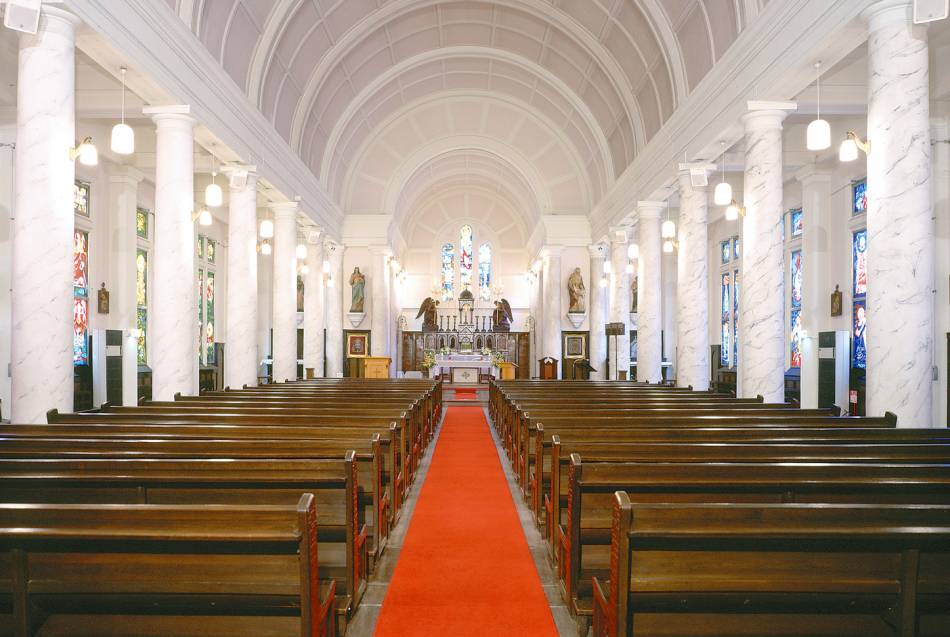
Timber frame buildings include the walls, floors and roofs, which are designed as one coherent engineered structure. Timber frame incorporates a number of different elements as part of its overall wall system. External cladding and cavity (brick, render, composite or timber boarding etc) to provide weather resistance.. To protect the insulation and the structure of the timber frame construction, installation of a vapour-open membrane is recommended. Tyvek® protects the fabric of the building from rainwater penetration during construction before external claddings are completed. It also helps to air-seal the wall, and reduce heat loss.
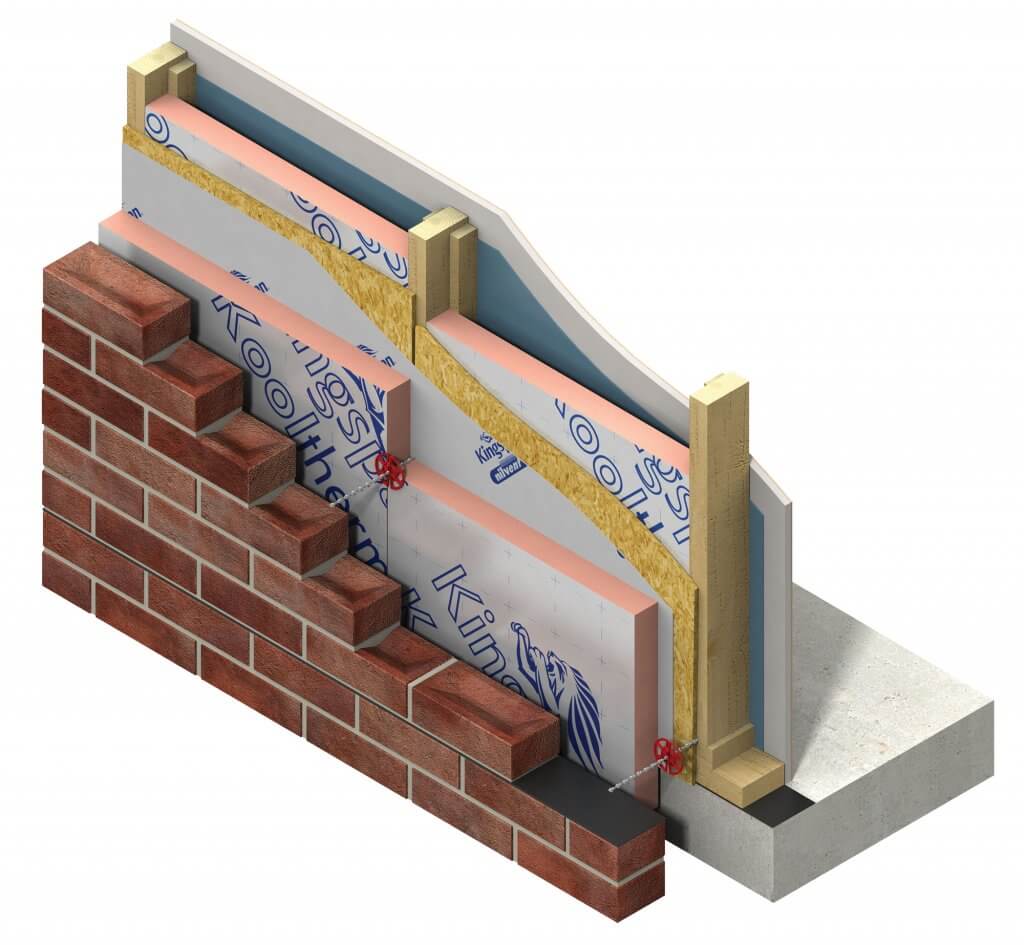
Cladding a Timber Frame Home Build It
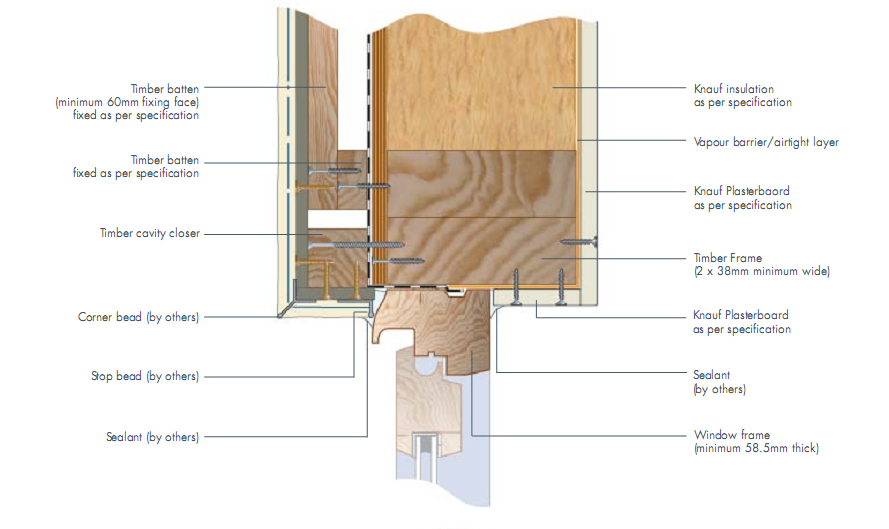
Door Cavity Tray & Insulating Partial Fill Cavity Walls

Passive House Detail Timber frame building, Passive house, Timber frame

timber frame details Google Search building science Pinterest
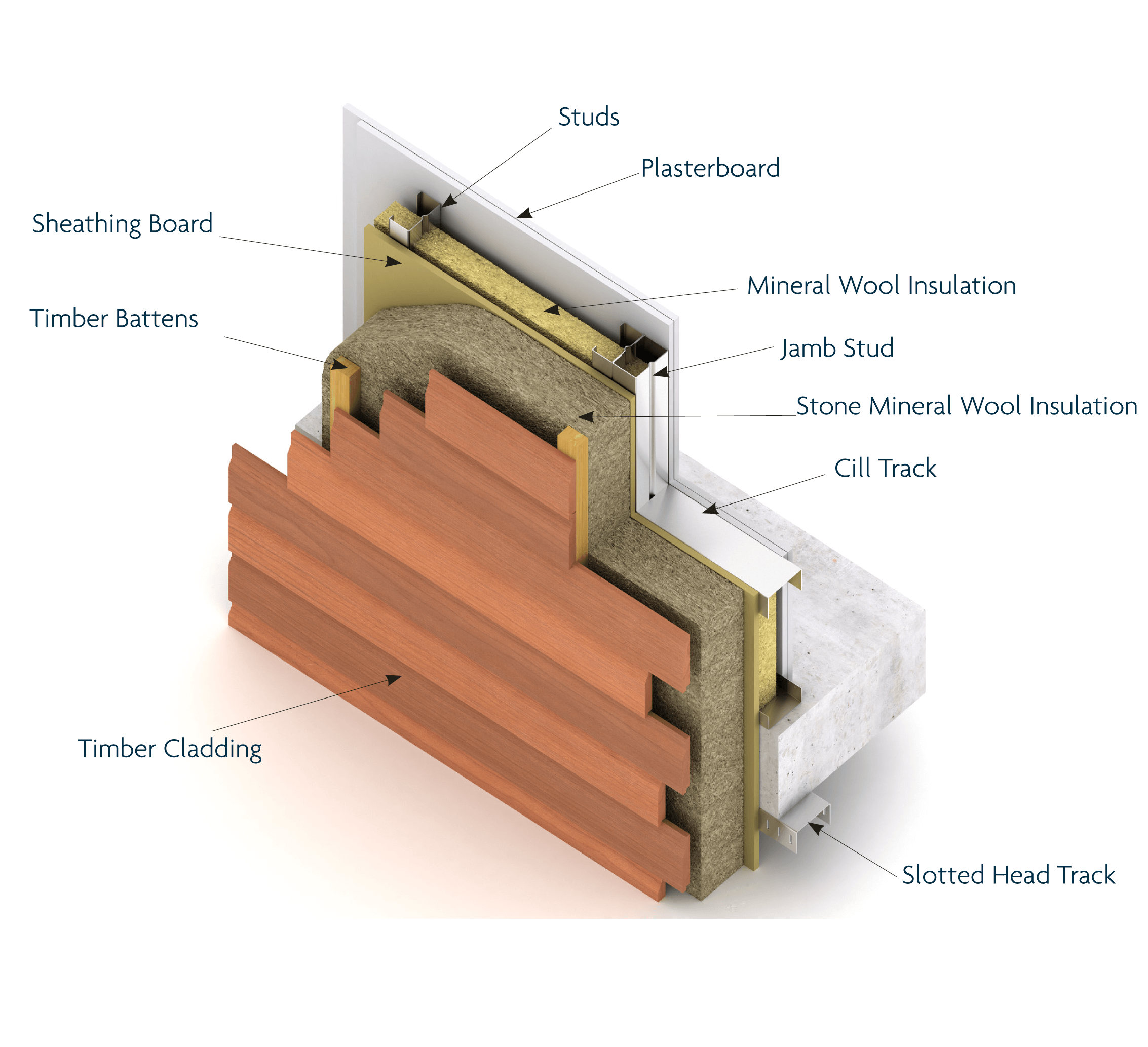
External Wall Finishes
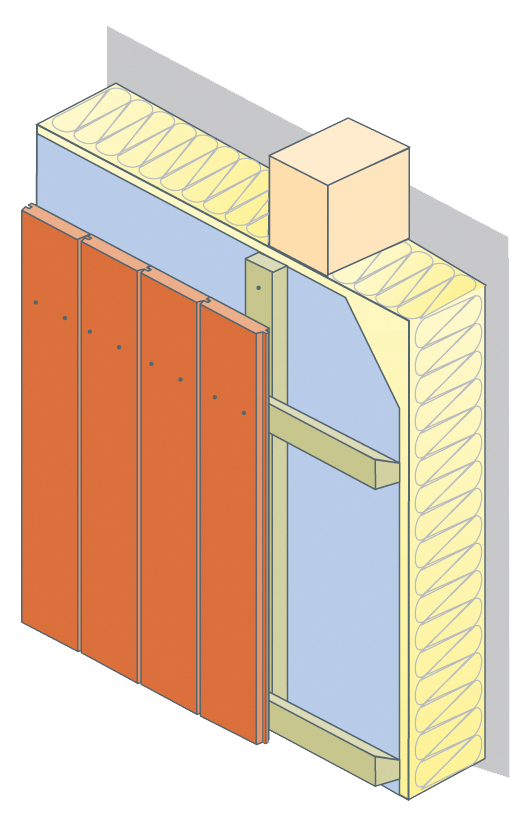
Cladding a Timber Frame Home Build It
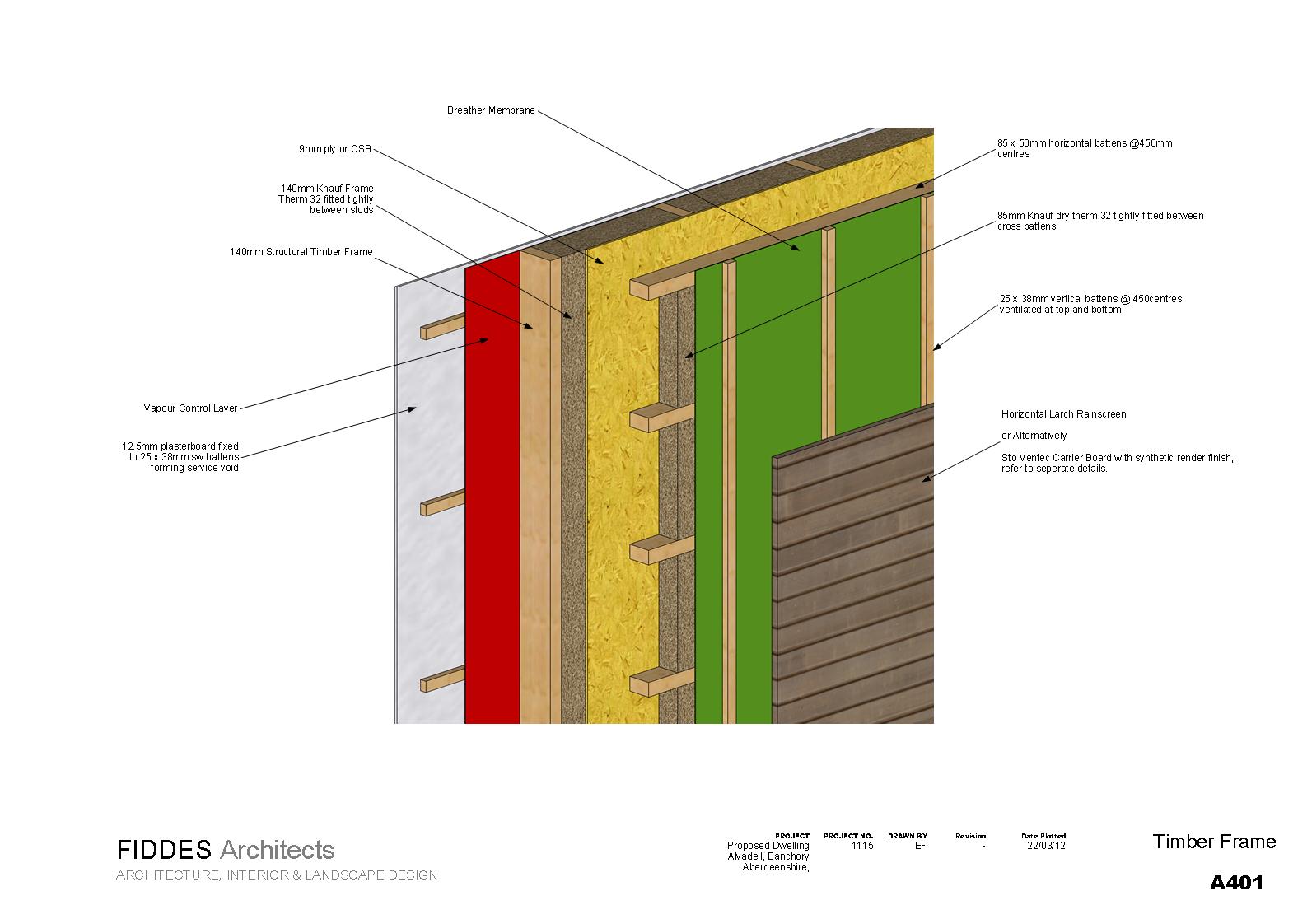
timber frame wall construction details timber frame home cost comparison Crpodt

Oak Cabin Design and Timber Frame Building Experts Timber cladding, Timber frame building

Timber Frame Panel U Value 0.2 Vision Development Timber frame house, Timber frame
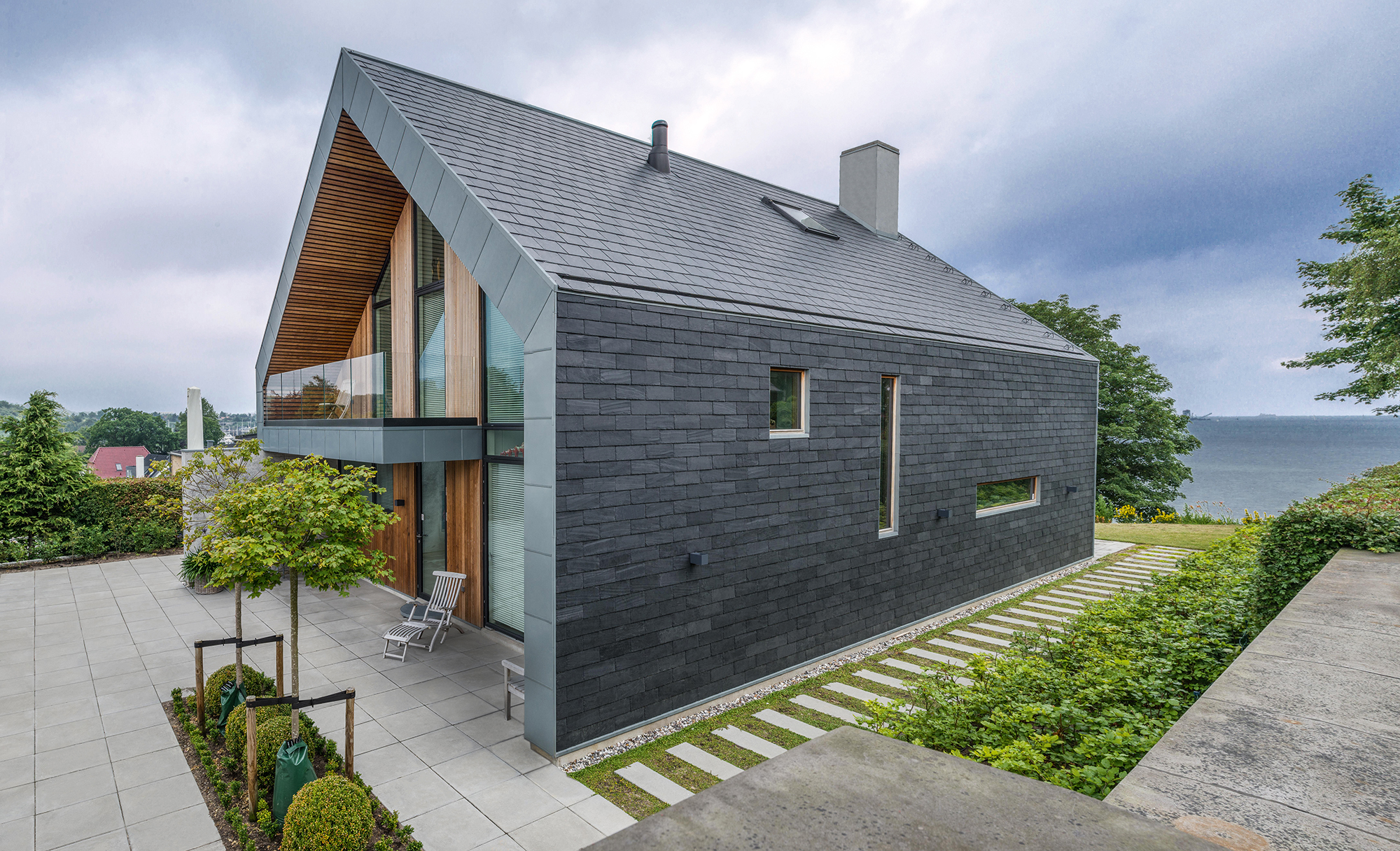
10 of the Best Timber Frame Projects Build It
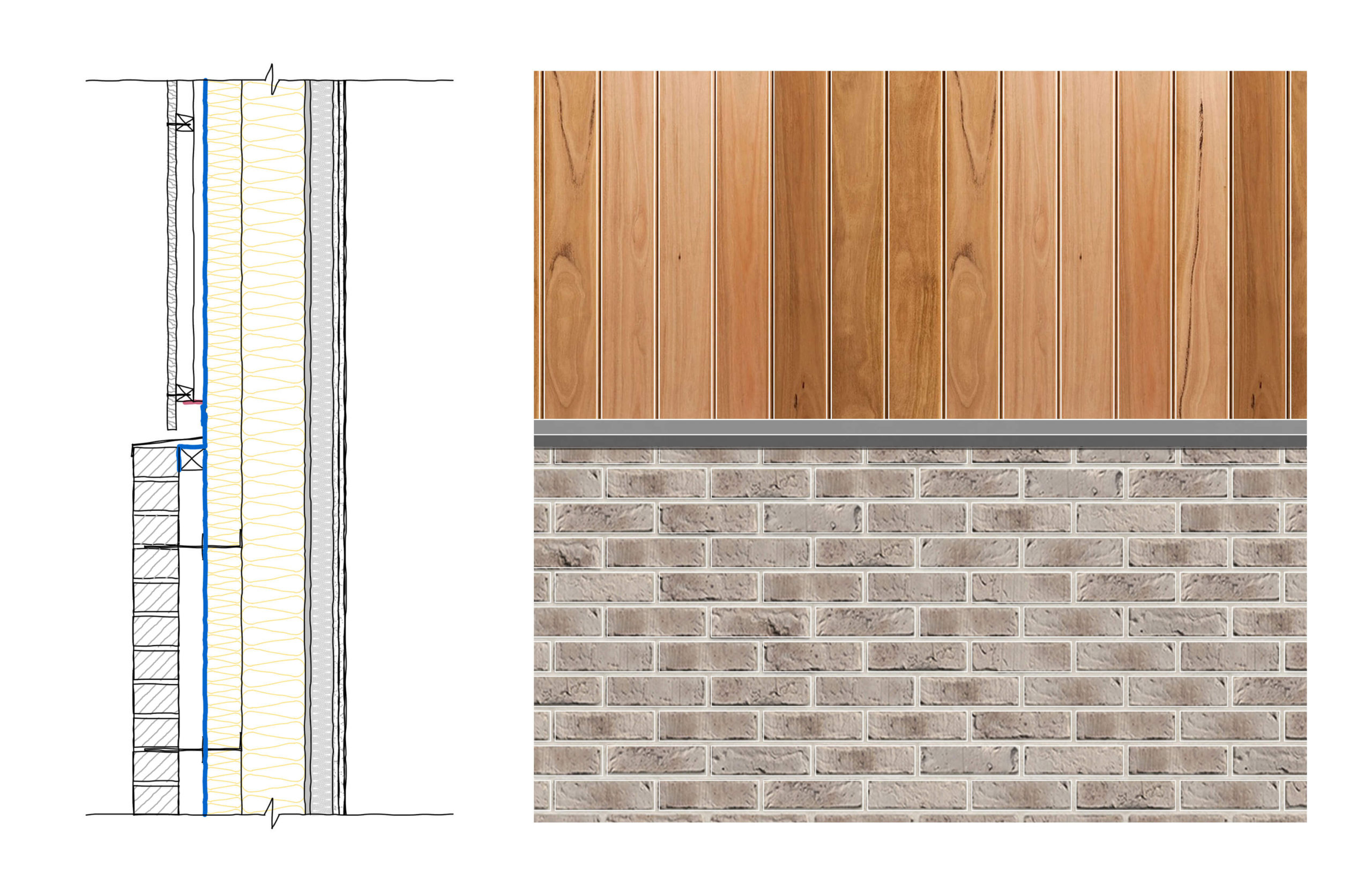
Technical Details How to Transition From Rainscreen Cladding to Brick

timber frame with stone cladding Google Search Brick cladding, Timber frame, Stone cladding

Timber frame wall types Timber frame construction, Timber frame building, Timber frame
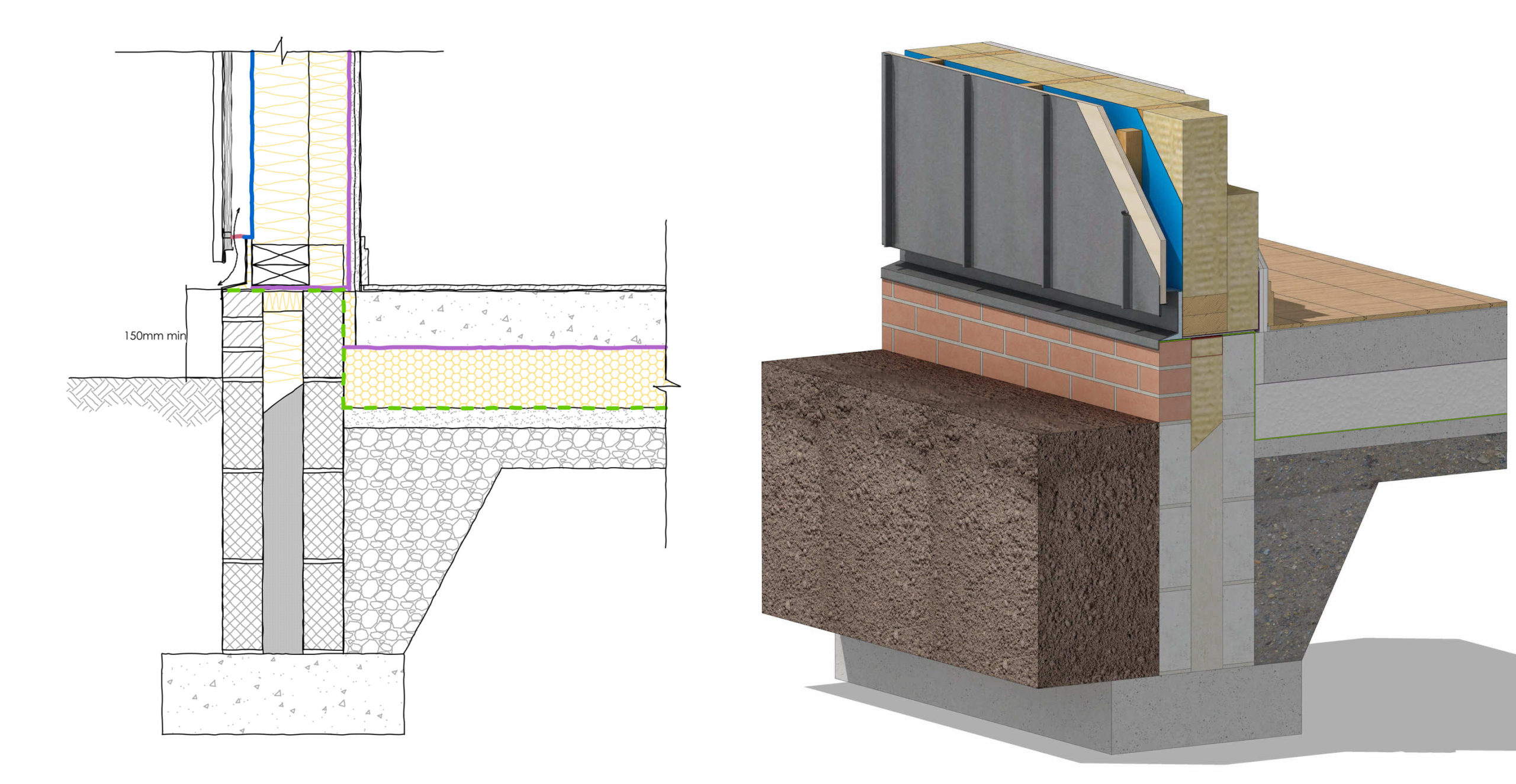
Technical Details How to Transition From Rainscreen Cladding to Brick

Technical Details Book of Details Chapter 3 Construction details architecture, Timber

Pin on ArchDetails
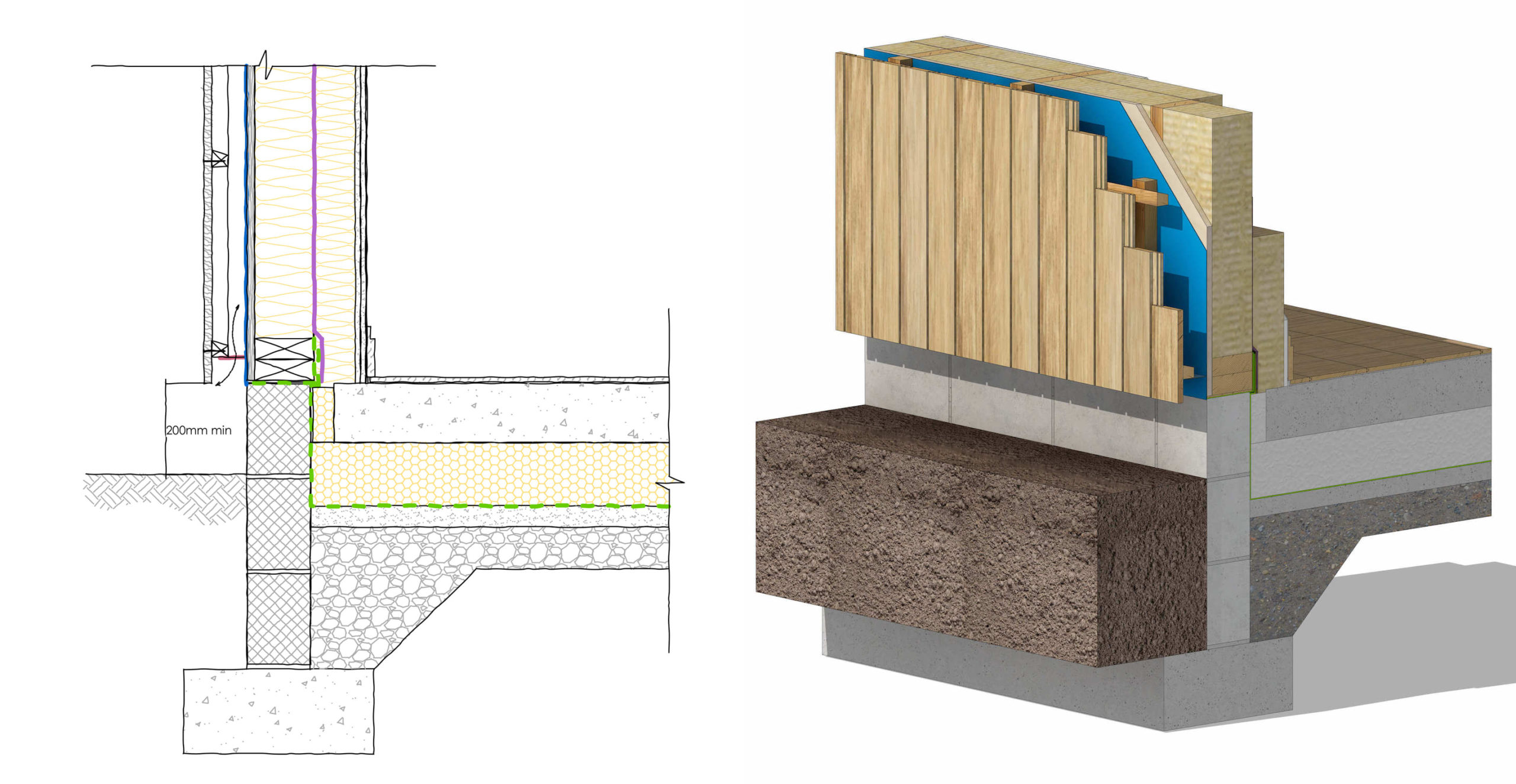
Technical Details How to Transition From Rainscreen Cladding to Brick
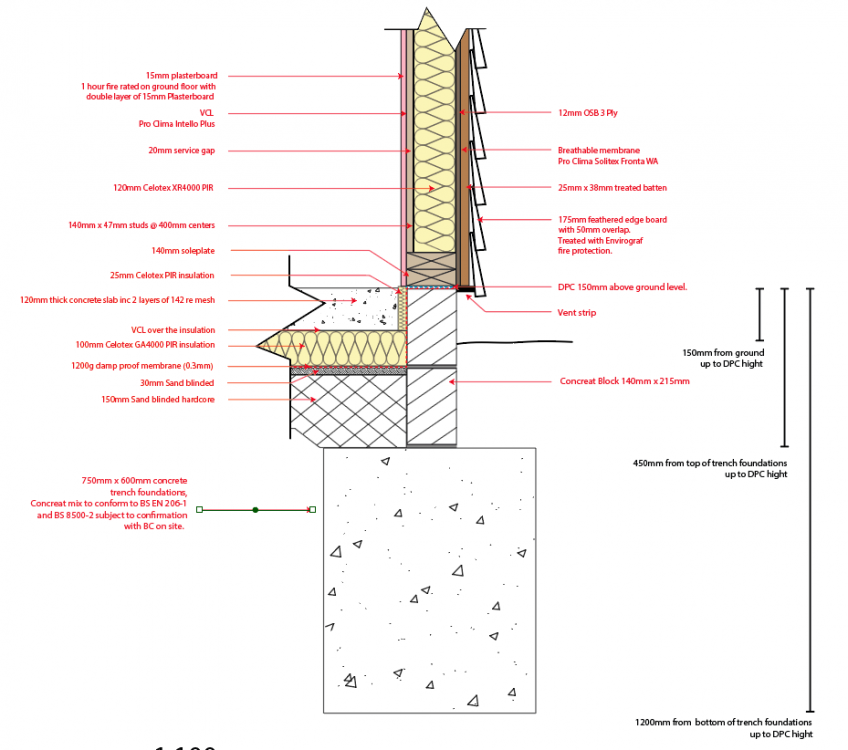
Foundations for timber frame build Timber Frame
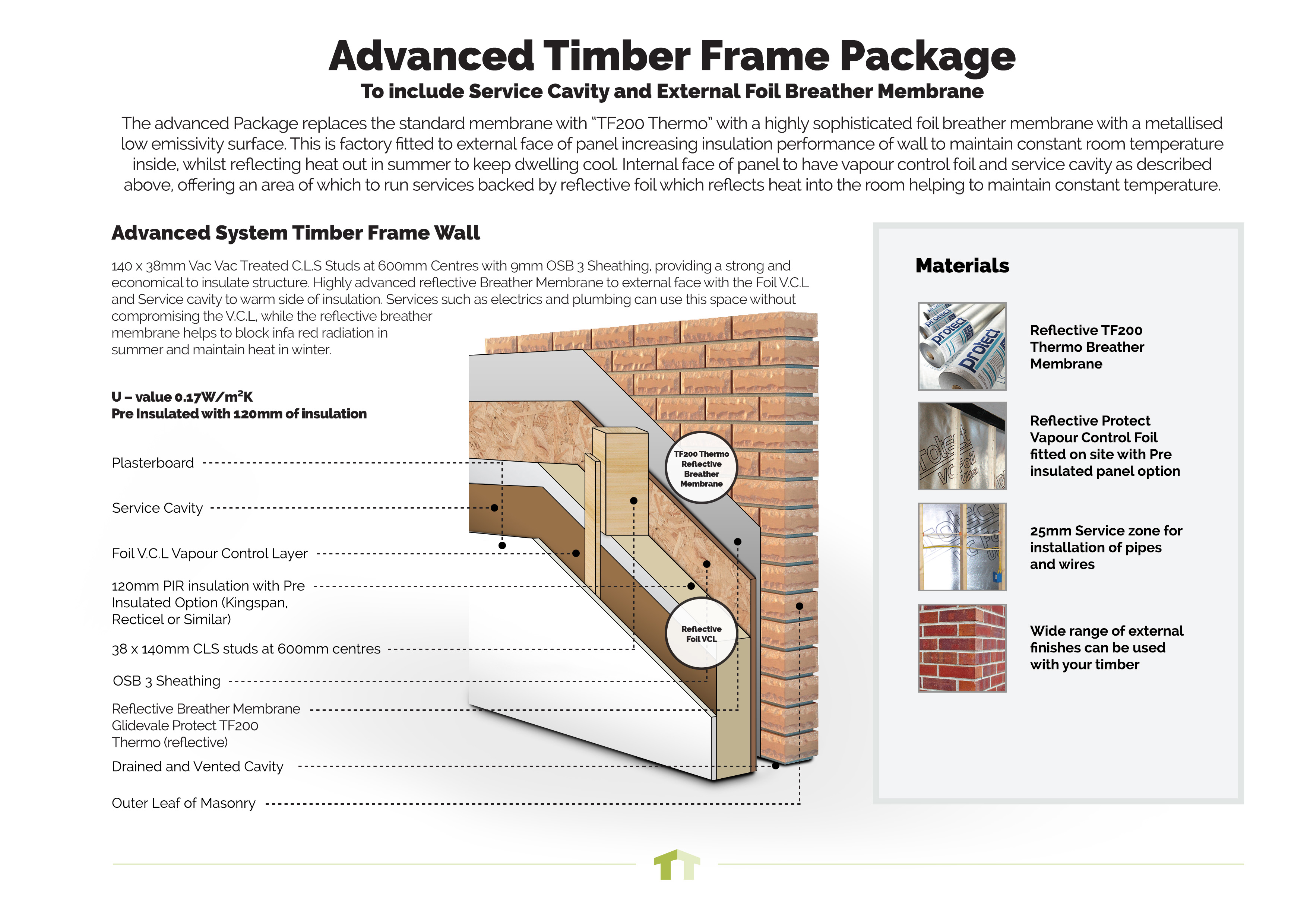
Walls & Specification Turner Timber Timber Frame Experts
Timber Frame Construction Details
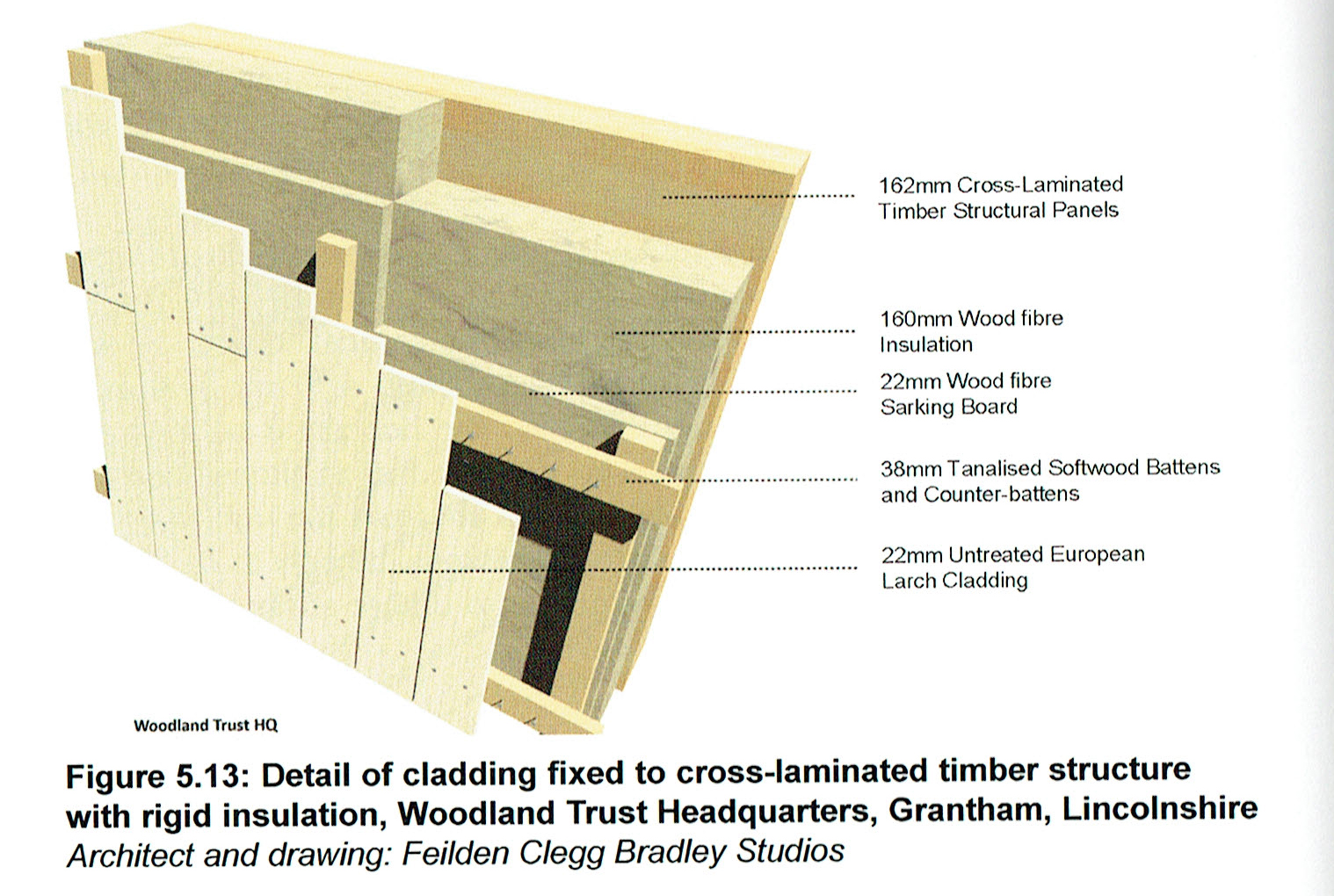
Figure 3 Typical construction: board-on-board cladding on horizontal timber battens. Note: The drawing shows cladding details on conventional timber frame construction. For other forms of construction, the details from the breather membrane out are the same.. The timber cladding is also susceptible to water damage from splash zones – ie at the base of the building, so the cladding must be lifted by a minimum of 200 to 250mm. Battens are usually placed at 600mm centres, and sized no less than 38x38mm. For diagonal boards the battens are brought a little closer at 400mm centres.