Conclusion The use of Saccharomyces cerevisiae CNCM I-3856 in IBS at a dose of 2 billion CFU twice daily for 8 weeks has shown to have an improvement in abdominal pain and stool consistency due to.. In subjects with diarrhea predominant IBS, at 4th week of treatment, there was a significant reduction of abdominal pain scores in the Saccharomyces cerevisiae CNCM I-3856 group (1.91 ± 0.86) compared with the placebo group (2.62 ± 0.94, p = 0.003).A similar improvement was also seen during the 8th week of treatment (1.63 ± 0.79 vs 2.52 ± 0.91, p < 0.001).

Antiinfectious properties of the probiotic Saccharomyces cerevisiae CNCM I3856 on
![[27/3 BUY 5 LESS 10] (Exp](https://lzd-img-global.slatic.net/g/p/a8349cd353d4699bd8ca78cb3476b7ce.jpg_720x720q80.jpg)
[27/3 BUY 5 LESS 10] (Exp 7/24) The PrimAGE ProGIGuard Saccharomyces cerevisiae CNCM I3856

Saccharomyces cerevisiae Viticulture and Enology

Saccharomyces cerevisiae CNCM I3856 limita le candidosi vaginali ricorrenti Future Live Srl

Efficacy of Saccharomyces cerevisiae CNCM I3856 as an addon therapy for irritable bowel syndrome

The PrimAGE GynaGuard Vegetable Caps 28s Saccharomyces Cerevisiae CNCM I3856 Lazada
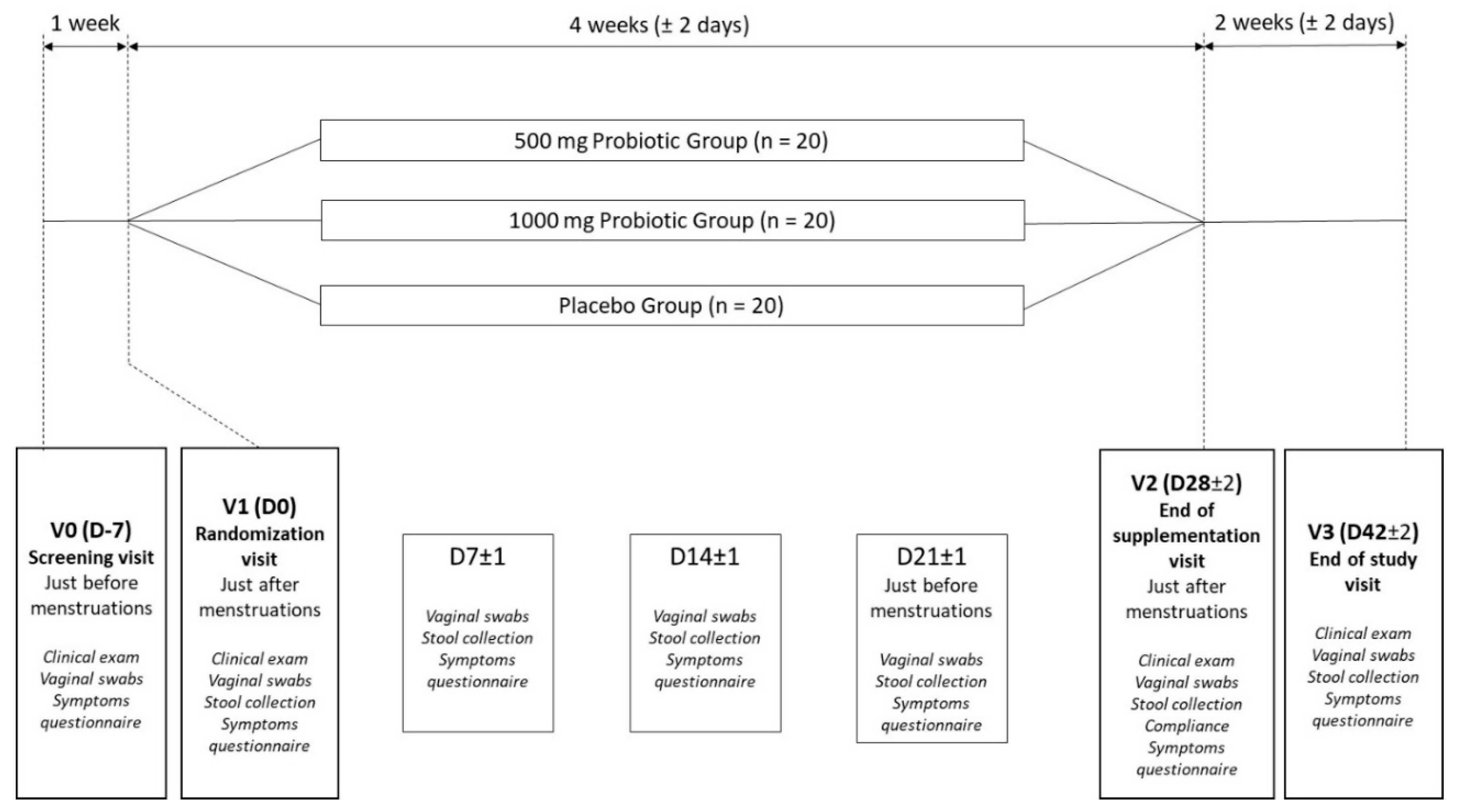
Nutrients Free FullText Recovery of Saccharomyces cerevisiae CNCM I3856 in Vaginal Samples
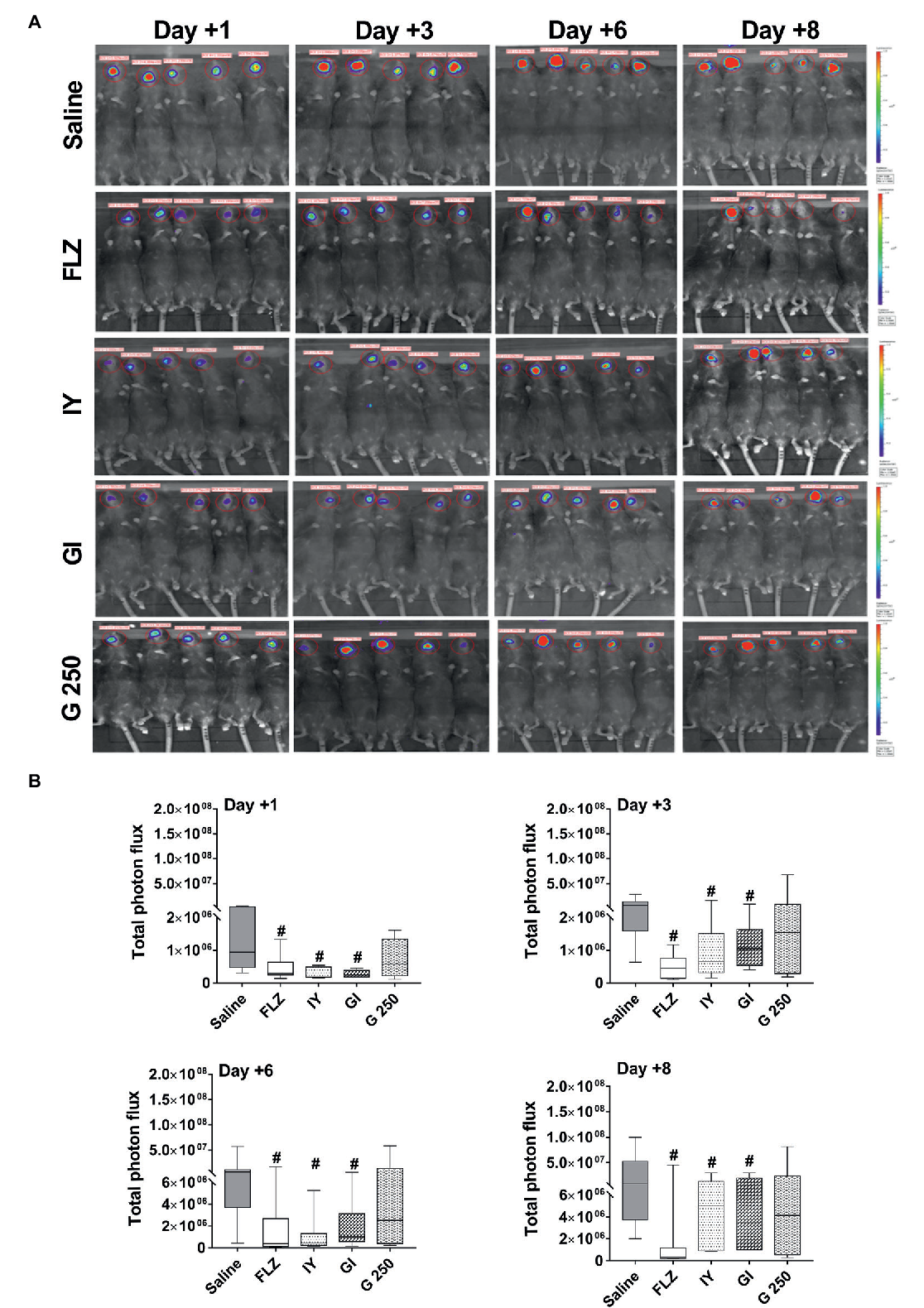
Figure 1 from Saccharomyces cerevisiae CNCM I3856 as a New Therapeutic Agent Against

(Exp 1/25) The PrimAGE ProGIGuard Saccharomyces cerevisiae CNCM I3856 (Yeast Probiotic) 30

Yeast, Saccharomyces cerevisiae Stock Image B250/0649 Science Photo Library
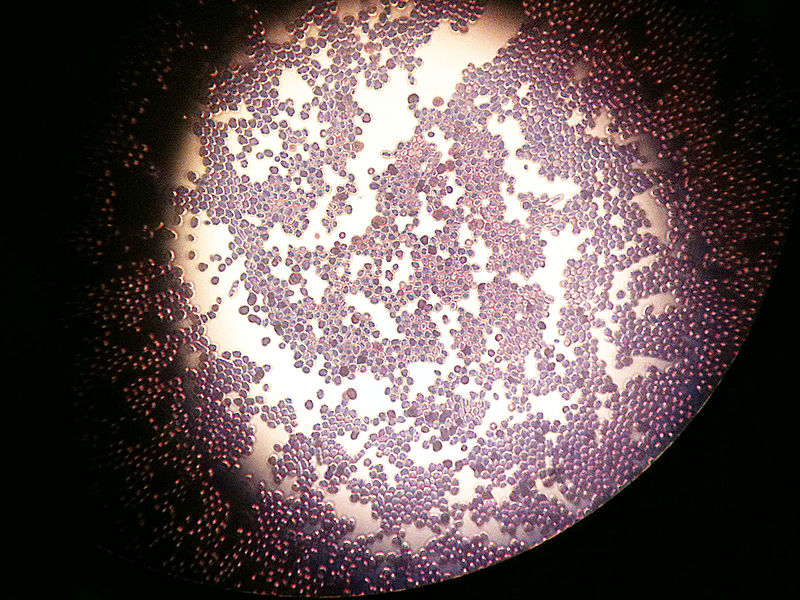
What is the Difference Between Saccharomyces Cerevisiae and Saccharomyces Uvarum

Yeast, Saccharomyces cerevisiae Stock Image B250/0808 Science Photo Library

Overview of S. cerevisiae CNCM I3856 potential modes of action in ETEC… Download Scientific
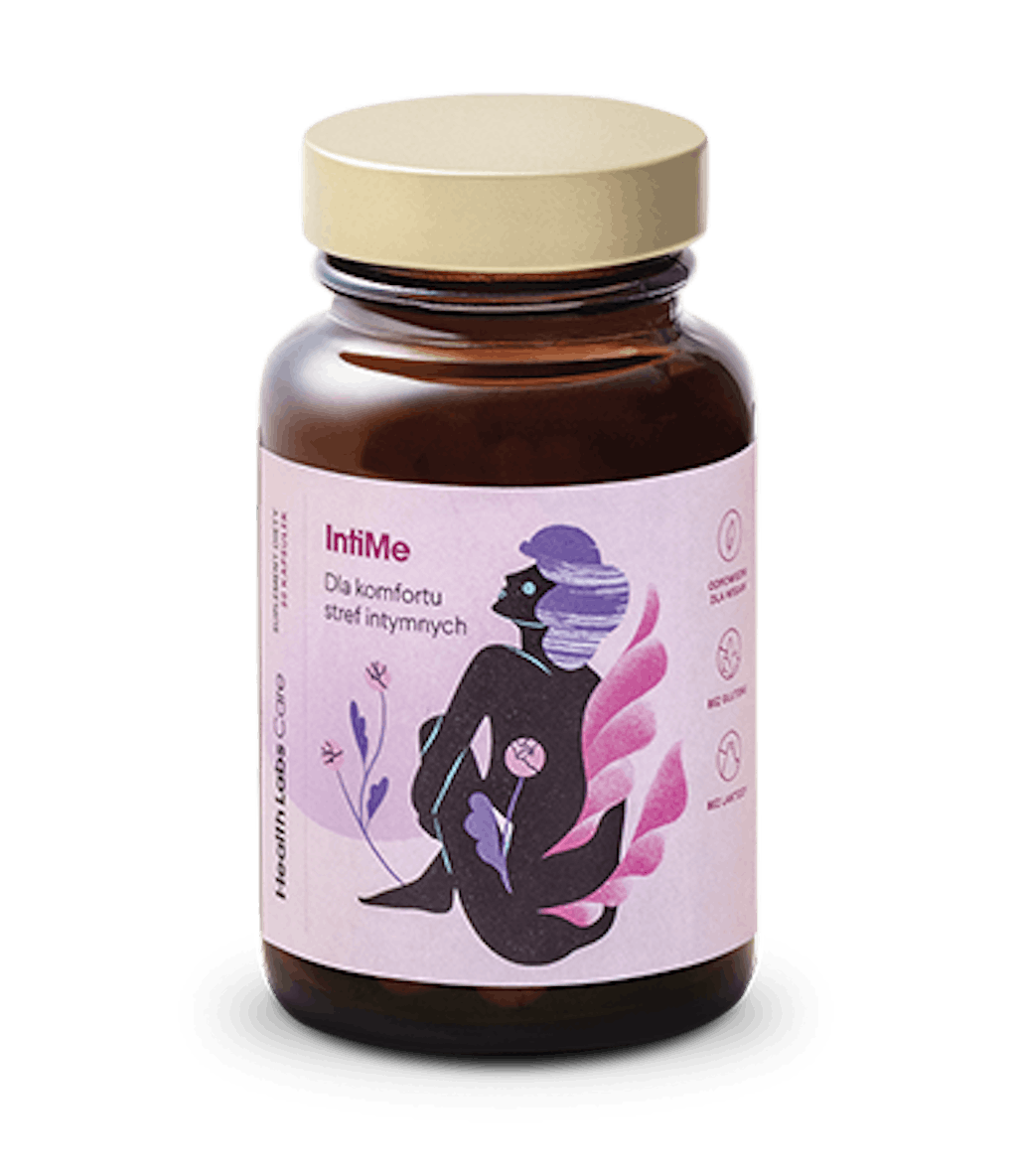
Liofilizowane żywe drożdże Saccharomyces cerevisiae CNCM I3856 Health Labs Care
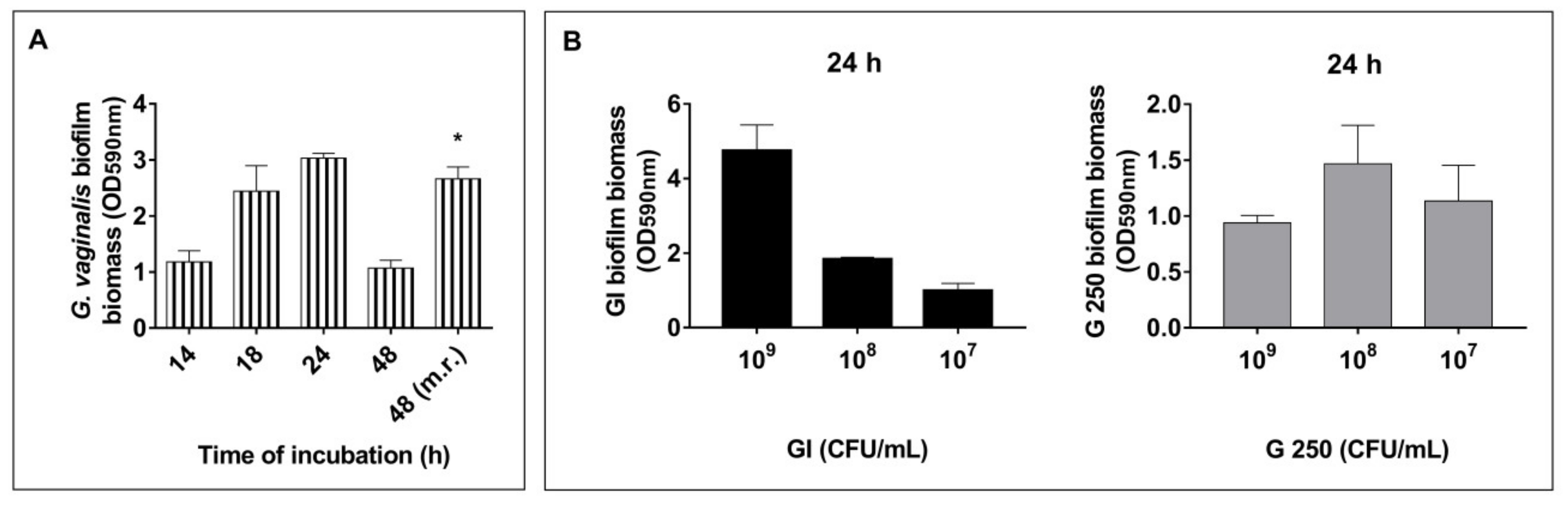
Free FullText AntiBiofilm Properties of Saccharomyces cerevisiae CNCM I
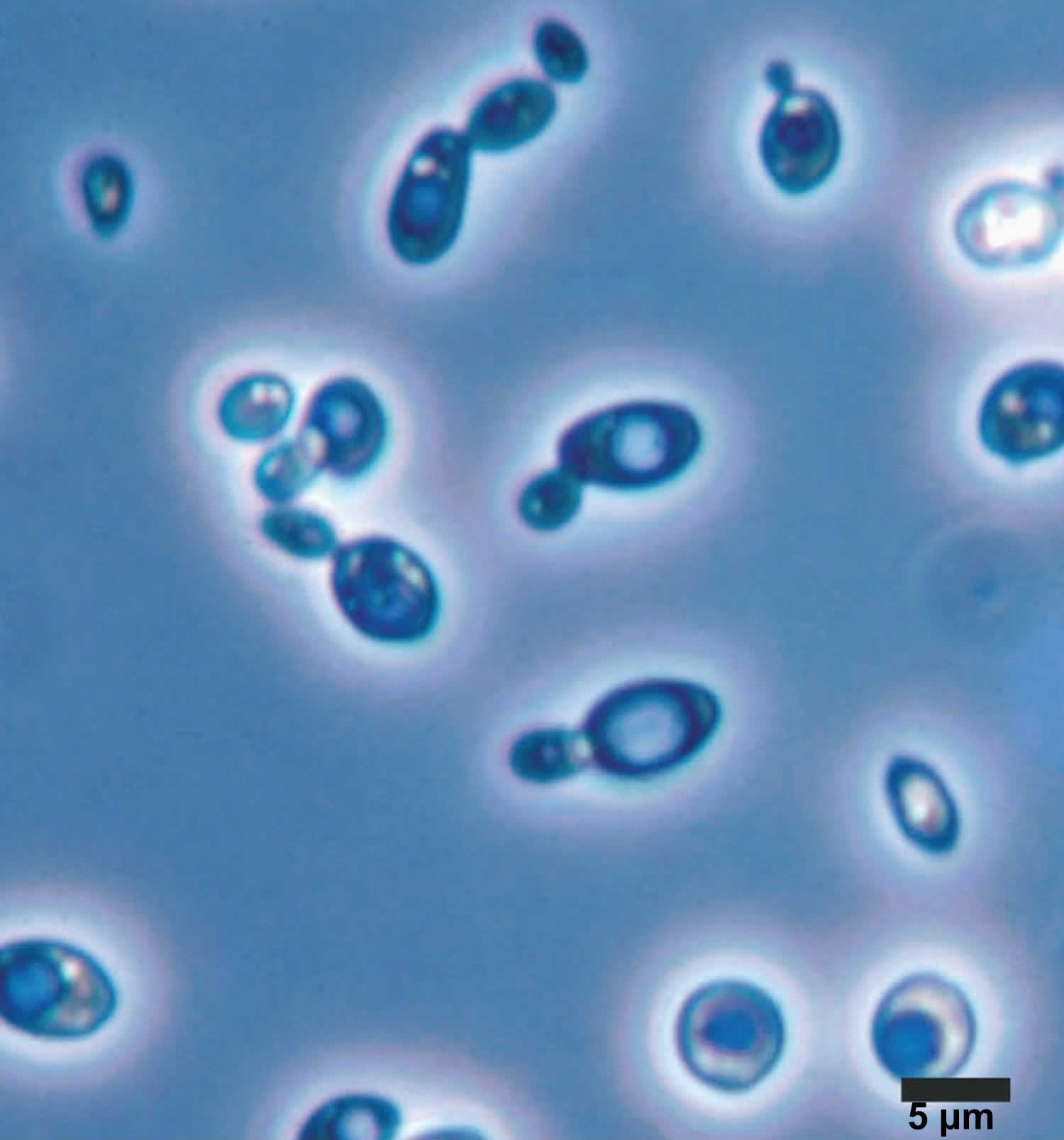
Saccharomyces cerevisiae, probiotic, lifecycle, uses, antibody and infection
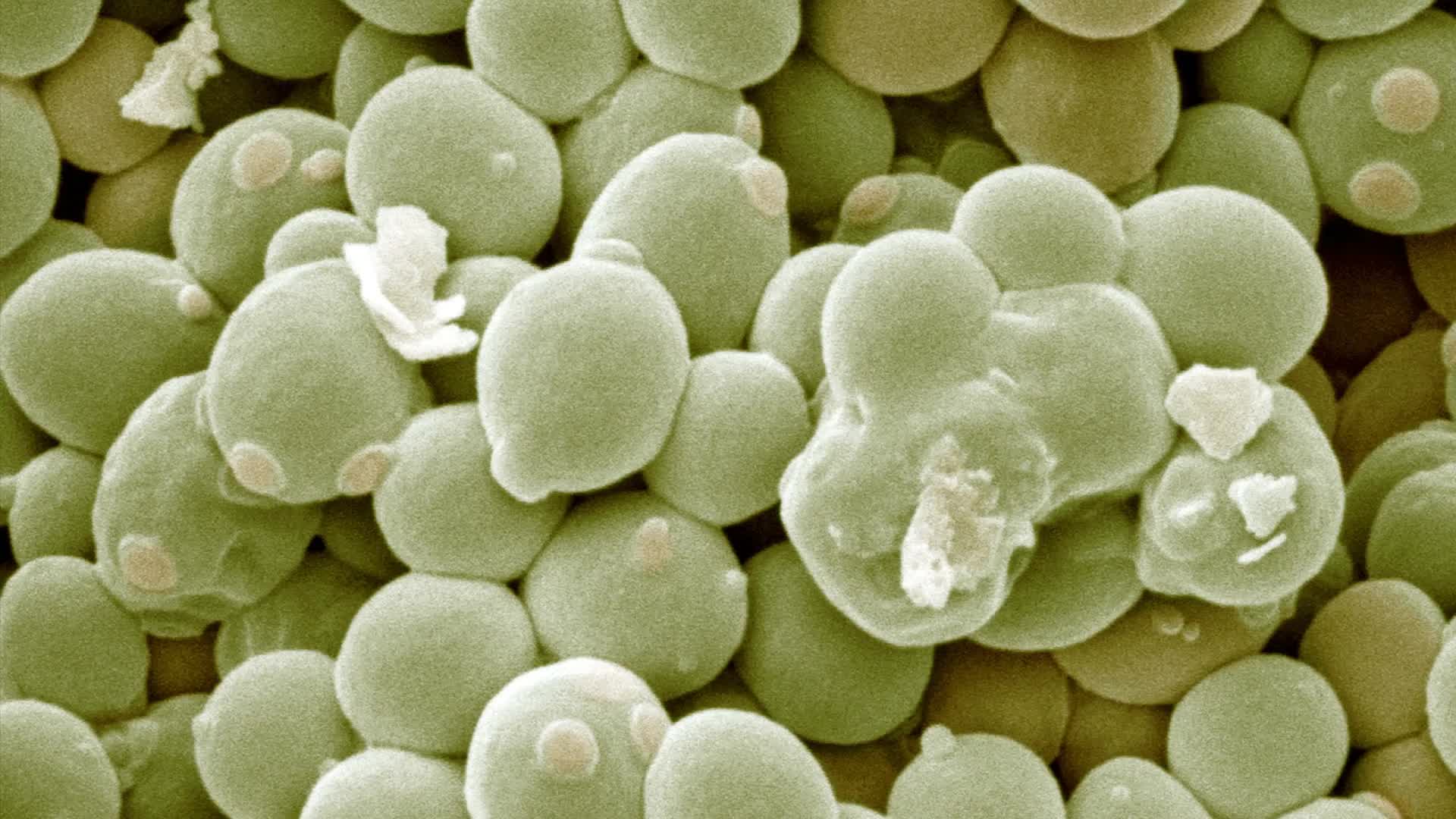
What is Saccharomyces cerevisiae? Explore Yeast

Nguyên liệu men vi sinh saccharomyces cerevisiae
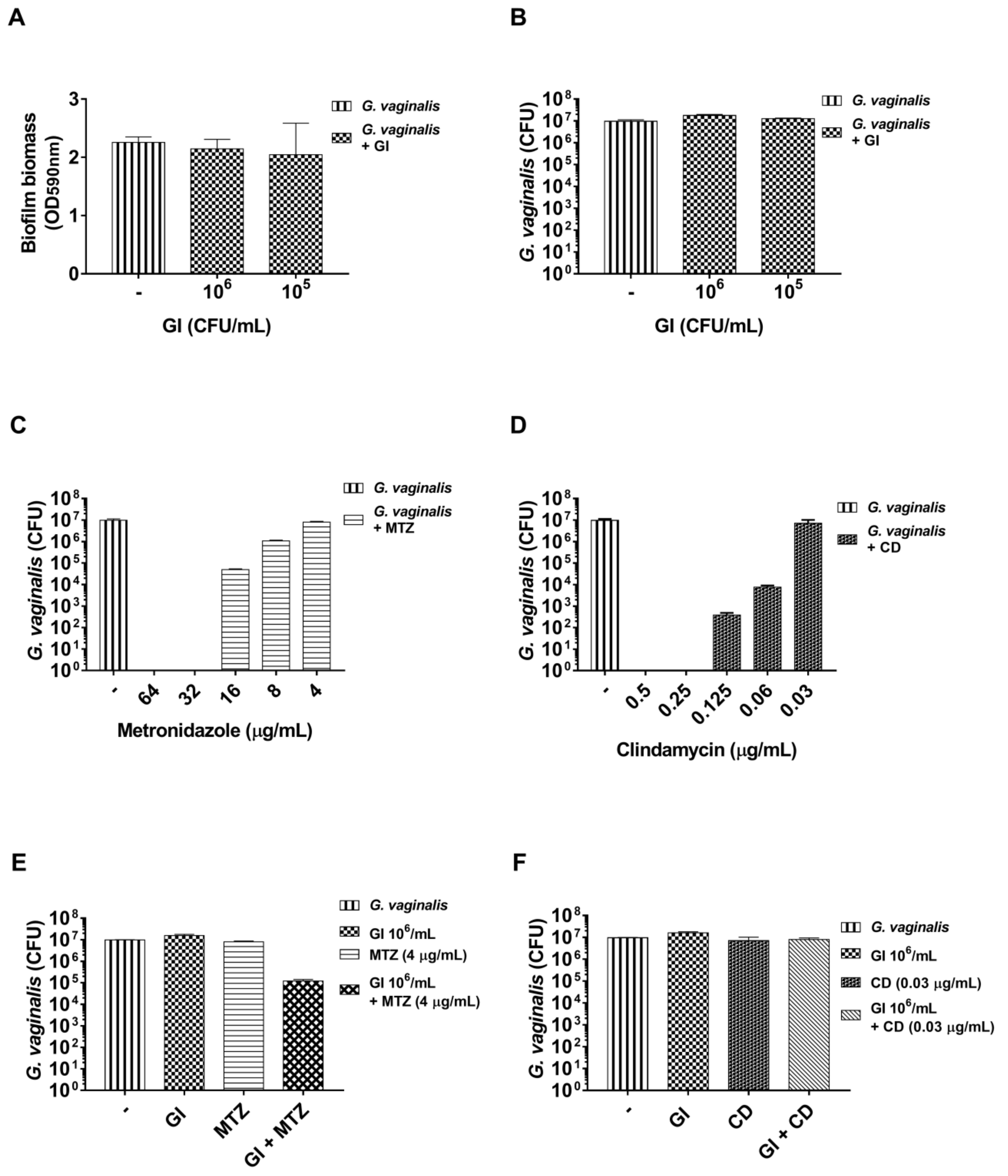
Free FullText AntiBiofilm Properties of Saccharomyces cerevisiae CNCM I

Effect of S. cerevisiae CNCM I3856 (GI) and L. rhamnosus GG (G 250) on… Download Scientific
ibSium ® (Saccharomyces cerevisiae CNCM I-3856) is probiotic yeast clinically proven to support overall intestinal comfort.. As the gut is today well-known to be the center of our overall health, from helping to manage abdominal discomfort, bloating or recurrent transit disorders, and Irritable Bowel Syndrom (IBS) symptoms, ibSium ® can improve everyday digestive comfort and quality of life.. Aim To confirm previous conclusions on Saccharomyces cerevisiae (S. cerevisiae) CNCM I-3856 for irritable bowel syndrome (IBS) management. Methods An individual patient data meta-analysis was performed on two randomized clinical trials studying the effect of S. cerevisiae CNCM I-3856 supplementation on gastrointestinal (GI) symptoms in IBS subjects. A total of 579 IBS subjects were included.

:format(jpeg):mode_rgb():quality(90)/discogs-images/R-14069023-1567249942-4216.jpeg.jpg "WHY WORRY DIRE STRAITS KARAOKE LYRICS VERSION PSR S975 YouTube")